

Businesses evaluating international money movement face different types of payment infrastructure. Some tools focus on business accounts and cross-border transfers. Others specialize in online payment acceptance, acquiring, marketplaces, or enterprise payment infrastructure.
This ranking prioritizes cross-border business-payment fit, corridor and currency coverage, implementation effort, settlement flexibility, and compliance suitability. The seven tools are Fuze Business, Wise Business, Airwallex, Payoneer, Stripe, Adyen, and Worldpay.
How we evaluated the global payments platforms
The ranking considers the payment direction first.a A business paying overseas suppliers has different needs from an ecommerce company accepting card payments from customers.
We also considered currency and corridor coverage, available payment methods, cross-border execution, settlement and account flexibility, integration requirements, and compliance suitability. Publicly stated fees receive more weight than custom or quote-based pricing.
The comparison separates money-movement platforms from payment-acceptance platforms. This distinction prevents readers from comparing unlike products without qualification.
A business paying overseas suppliers should prioritize outbound corridor reliability and settlement visibility. An ecommerce merchant accepting cards should prioritize local payment methods, authorization performance, fraud controls, and checkout integration.
The methodology uses provider information from Fuze Business, Wise Business, Airwallex pricing, Stripe pricing, Adyen pricing, and Worldpay enterprise services.
Global payments tools at a glance
The table separates supplier-payment and treasury workflows from online checkout and payment acquiring.A global trade company comparing Fuze Business, Wise Business, Airwallex, and Payoneer is evaluating money movement. An online merchant comparing Stripe, Adyen, and Worldpay is mainly evaluating payment acceptance infrastructure.
| Tool | Primary use case | Payment direction | Standout capability | Main limitation or qualification |
|---|---|---|---|---|
| Fuze Business | Cross-border business payments | Sends, receives, and converts funds | Banking-network access, difficult trade corridors, stablecoin conversion, compliance, and faster settlement | Confirm corridor coverage, fees, settlement, and onboarding requirements |
| Wise Business | Multi-currency business account | Sends, receives, holds, converts, and spends | Self-serve international transfers and account details | Fees and availability vary by currency, country, and transaction type |
| Airwallex | Global business-finance platform | Sends, receives, converts, and spends | Accounts in 20+ currencies and local transfers to 120+ countries | Product availability and custom use cases vary by location and volume |
| Payoneer | Cross-border receiving and payouts | Receives, sends, withdraws, and pays suppliers or contractors | Coverage across 190+ countries and territories and 70+ currencies | Exact fees depend on account eligibility and payment flow |
| Stripe | Online payment acceptance | Receives customer payments | 195 countries, 135+ currencies, and 100+ payment methods | International cards, currency conversion, and other products may add fees |
| Adyen | Enterprise payment acceptance | Receives customer payments and settles funds | One integration, global methods, and flexible payouts | Total cost depends on market, method, product scope, and agreement |
| Worldpay | Enterprise ecommerce and acquiring | Receives customer payments and settles funds | 300+ payment methods and over 110 currencies in stated regions | Regional products, acquiring needs, and implementation can complicate comparison |
1. Fuze Business
A unified platform for business cross-border payments, Fuze Business centers on sending, receiving, and converting funds.
Features: Fuze Business access to difficult trade corridors, banking-network connectivity, and capabilities for cross-border transactions. Its listed capabilities include CNY, INR, SAR, GBP, and EUR support, difficult trade corridors, banking-network connectivity, instant currency and stablecoin conversion, enterprise-grade compliance, and faster settlement.
Limitation: Fees vary by currency and transaction type. Product features can also differ by country and customer profile.
Best for: Finance managers, global trade companies, and supply chain managers managing supplier, partner, or trade payments across borders.
A supply-chain manager may need to send funds through a difficult trade corridor, convert held currencies or stablecoins, and manage the transaction through a banking network with compliance controls. Before adoption, validate supported corridors, currencies, settlement timing, KYB requirements, and total fees.
2. Wise Business
Wise Business is a multi-currency business account for companies sending, receiving, converting, and spending money internationally.
Features: Wise describes support for international payments, receiving funds, currency conversion, multi-currency cards, batch payments, accounting-software connections, and account details in multiple currencies. It is strongest when transparent, transaction-based pricing matters more than complex payment orchestration.
Limitation: Fees vary by currency and transaction type. Availability, transfer speed, account details, and product features can also differ by country and customer profile.
Best for: SMBs and finance teams that want transparent, self-serve international transfers and multi-currency account functionality.
A company receiving USD, EUR, or GBP from overseas customers should compare the applicable account-detail and receiving fees before choosing Wise Business.
3. Airwallex
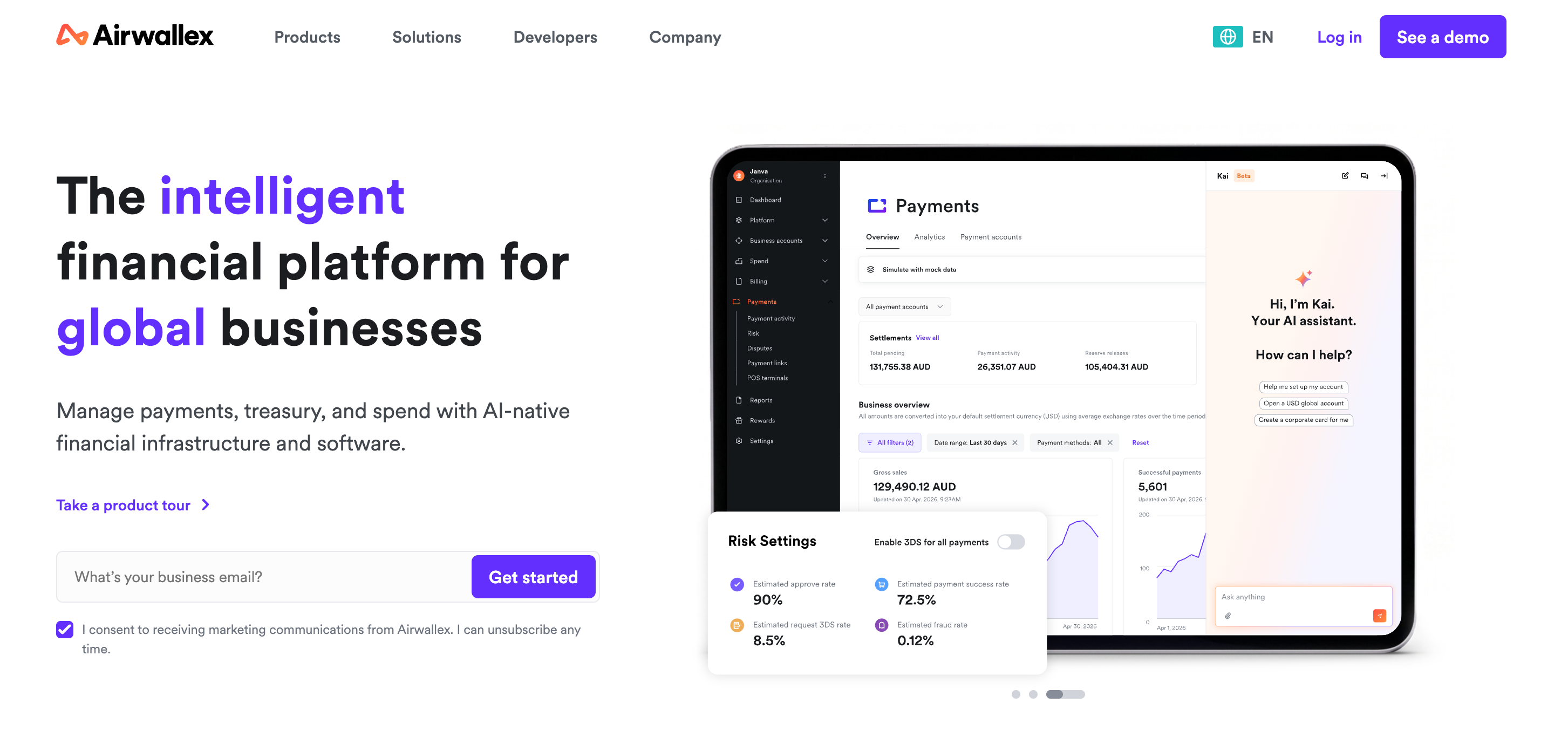
Airwallex combines multi-currency accounts, transfers, foreign exchange, cards, spend management, and payment capabilities.
Features: Airwallex lists local and foreign-currency accounts in 20+ currencies and local transfers to 120+ countries. Its US pricing page also describes batch transfers, interbank FX access, corporate cards, expense management, and bill pay.
Limitation: Product availability and pricing can vary by entity location, product, payment method, and volume. Platform API and embedded-finance use cases may require custom pricing.
Best for: Growing international businesses that want accounts, transfers, FX, cards, and spend controls in one broader operating platform.
A multi-entity company can assess whether local account details, batch transfers, FX, corporate cards, and bill pay justify adopting a broader platform instead of a transfer-only provider.
4. Payoneer
Payoneer is a global business-payment platform for receiving, sending, and managing funds across a wide country and currency footprint.
Features: Payoneer states coverage of 190+ countries and territories and 70+ currencies. Its business account supports receiving accounts, supplier and contractor payments, currency management, and multi-entity operations.
Limitation: Published figures are estimates for common fee structures. The exact fees for an account should be checked during registration or inside the account.
Best for: Marketplaces, service businesses, contractors, and companies needing broad receiving and payout coverage.
Payoneer’s broad coverage comes with corridor- and method-dependent pricing. A business paying contractors in several countries should compare local-currency payout fees, conversion charges, and withdrawal fees.
5. Stripe
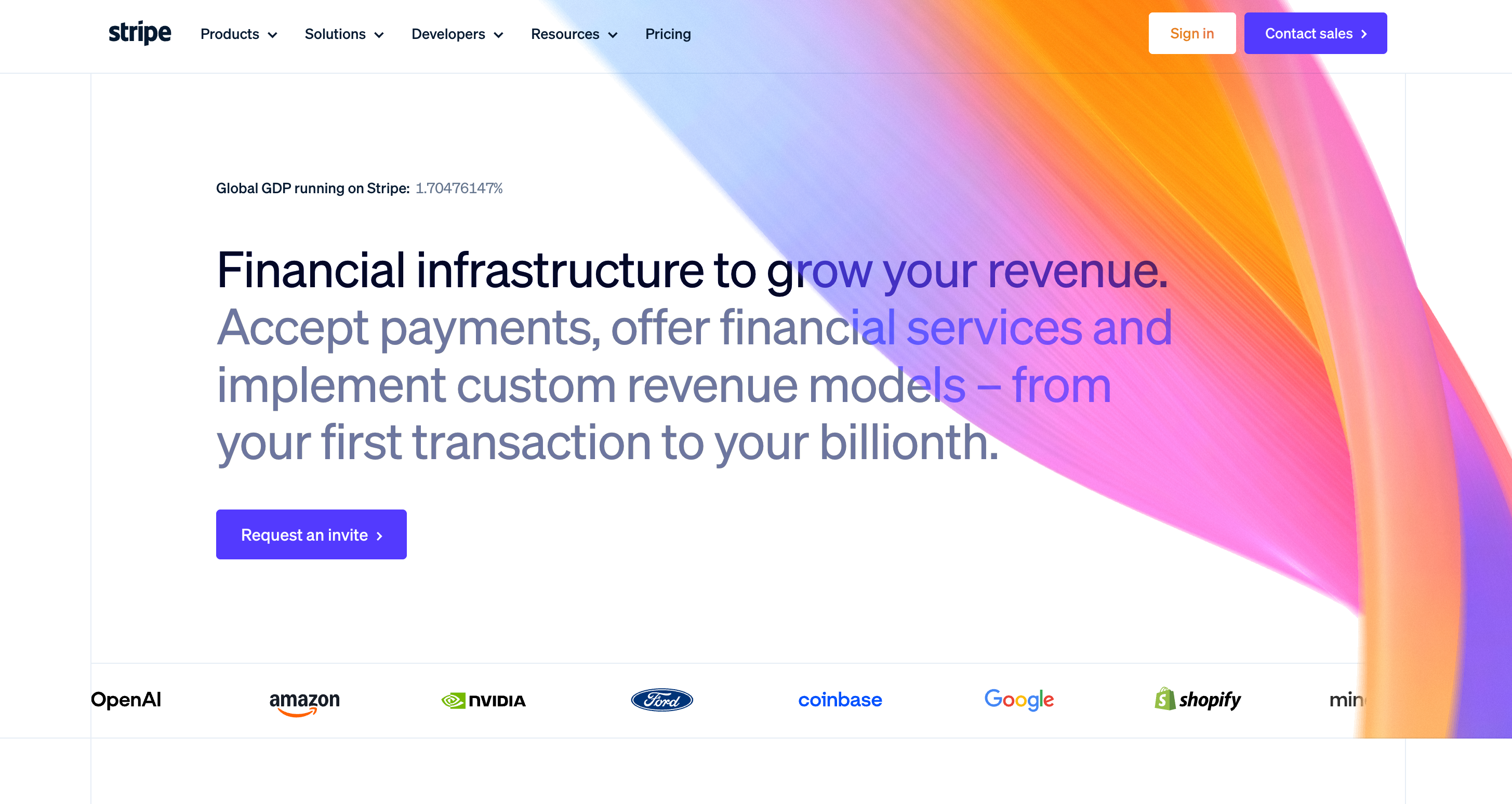
Stripe is primarily an online payment-acceptance platform for checkout localization, subscriptions, and developer-led global commerce.
Features: Stripe lists support for customers in 195+ countries, 135+ currencies, and 100+ payment methods. It also provides one integration for global acceptance, checkout localization, payment performance tools, money management, tax, and compliance products.
Limitation: The headline card rate is not a complete global cost model. Stripe’s strongest fit is payment acceptance rather than every type of B2B treasury or supplier-payment requirement.
Best for: Ecommerce, SaaS, marketplaces, and digital businesses accepting customer payments through online or embedded checkout.
An ecommerce company selling in multiple countries should evaluate local payment methods, displayed currencies, card pricing, and conversion costs before selecting Stripe. Compare it with account and transfer platforms only after defining whether money is coming from customers or going to suppliers.
6. Adyen
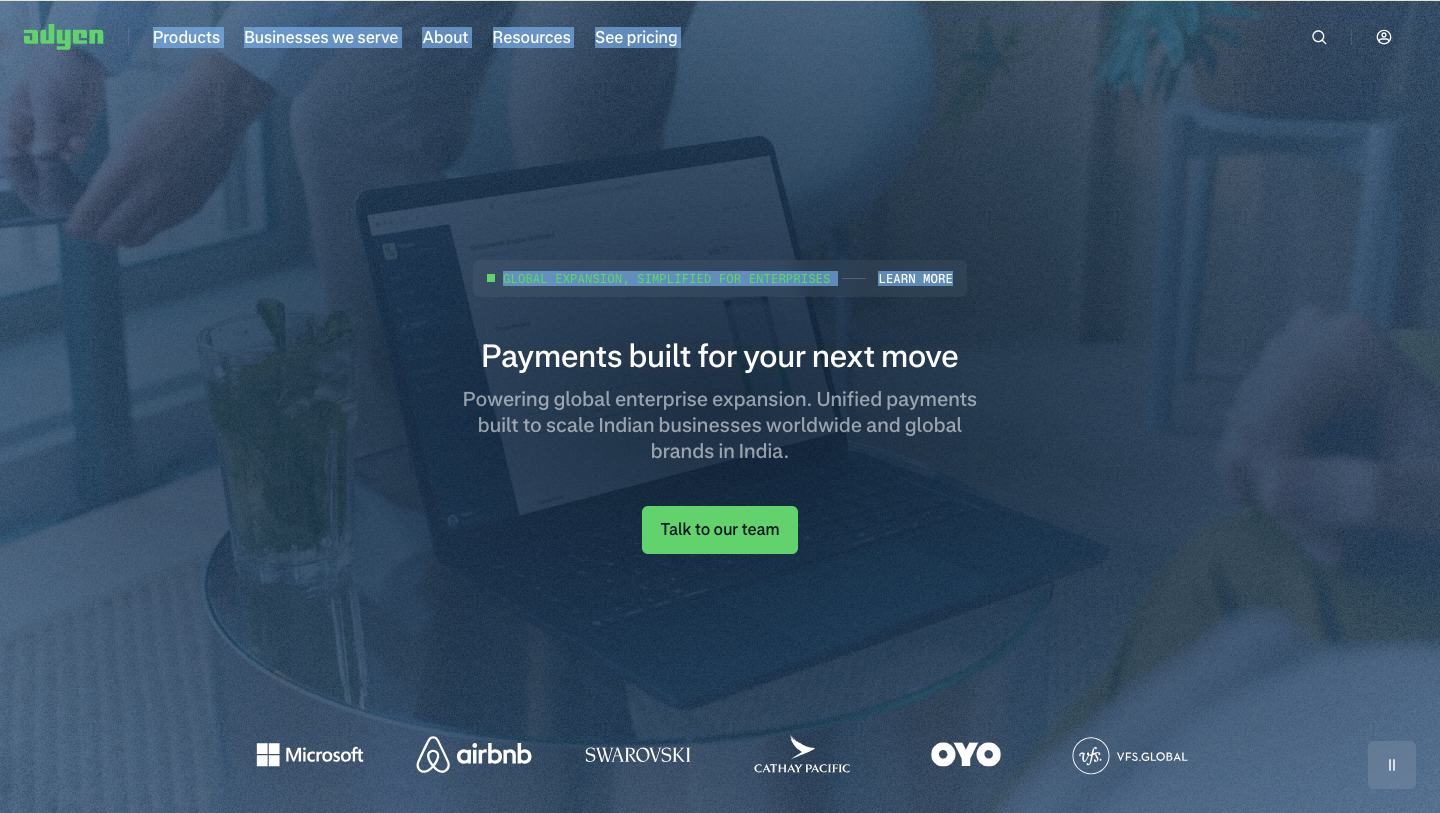
Adyen is an enterprise-oriented payment platform built around one integration, global payment methods, flexible settlement, and method-specific pricing.
Features: Adyen lists one integration, payment-method coverage, and flexible payouts. Merchants can choose payout timing and currency, then explore payment methods by market through its payment-method resources.
Limitation: Total cost depends on payment method, market, interchange or method fees, product scope, and commercial terms. Some business models and industries may not be eligible.
Best for: Larger merchants and platforms that need consolidated global payment acceptance and flexible settlement rather than a simple transfer account.
Adyen is best evaluated with a payment-method and market matrix, not with a single blended rate. A global merchant should map cards, wallets, bank methods, and local payment methods by country.
7. Worldpay
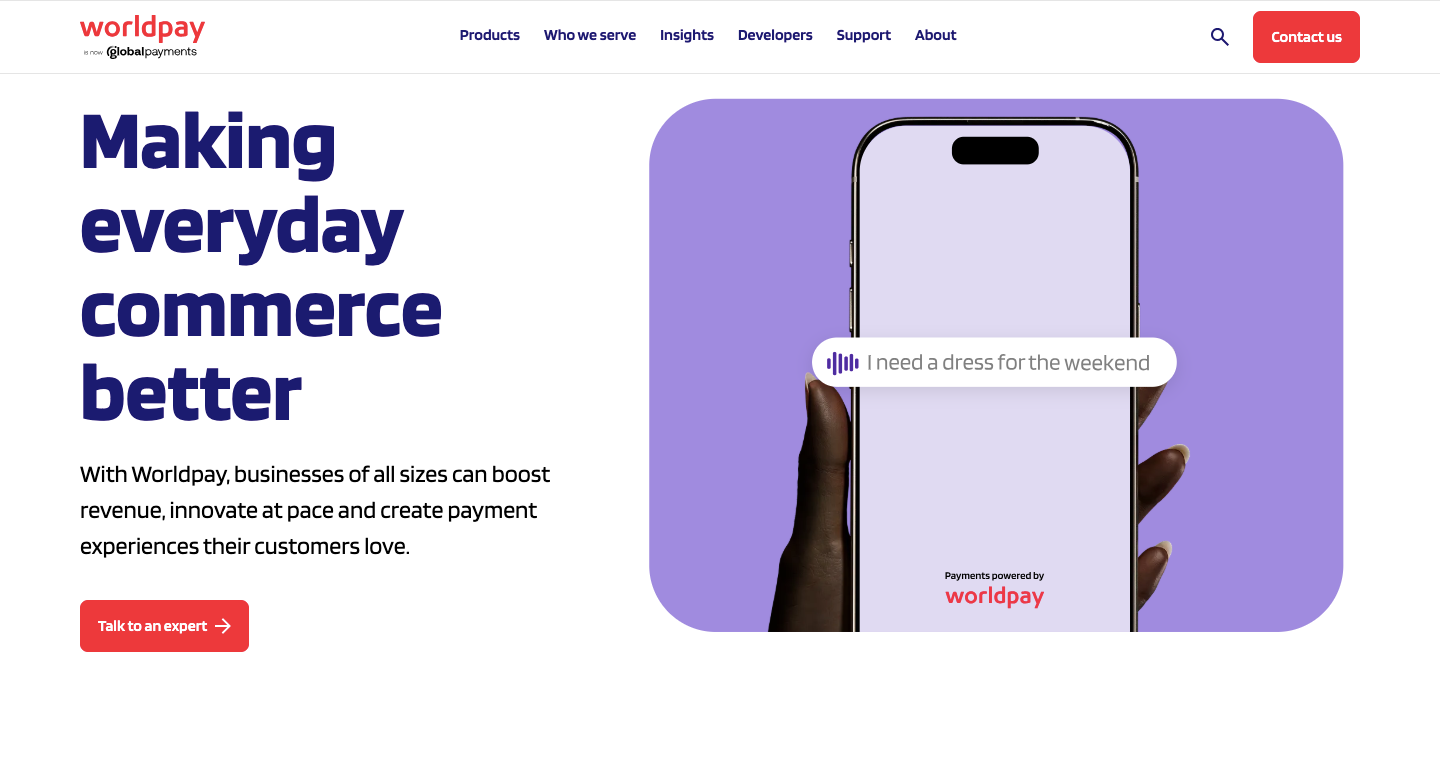
Worldpay is a large-scale payment processor for merchants needing international ecommerce or enterprise acquiring coverage.
Features: Worldpay’s enterprise page lists support for 300+ payment methods globally. Its UK ecommerce page states that merchants can accept over 110 currencies. The platform also provides plugins, customizable checkout, and API resources.
Limitation: Custom pricing, regional product differences, acquiring requirements, and implementation complexity can make direct comparison difficult. Buyers need a transaction and geography profile for a meaningful evaluation.
Best for: Established merchants and enterprises prioritizing payment-method breadth, acquiring scale, and international ecommerce infrastructure.
Worldpay belongs on an enterprise acceptance shortlist. Buyers should request a quote tied to their countries, payment methods, volumes, and risk profile.
Choose the tool that matches your payment flow
This shortlist spans cross-border business-payment platforms, multi-currency business accounts, and online payment-acceptance providers. The right choice depends on how money moves through the business.
Fuze Business is positioned for finance managers, global trade companies, and supply chain managers that need cross-border payments, difficult trade-corridor access, banking-network connectivity, currency and stablecoin conversion, enterprise-grade compliance, and faster settlement.
Wise Business or Airwallex may suit multi-currency account workflows. Payoneer may fit broad receiving and payout coverage. Stripe, Adyen, or Worldpay may be more suitable for online payment acceptance.
Before committing, validate exact corridors, currencies, pricing, onboarding requirements, settlement timing, compliance obligations, integrations, and support. If your team needs a unified way to send, receive, convert, and manage cross-border business payments, explore Fuze Business and discuss your corridors and requirements with the team.