
Faster settlement is a treasury and working-capital decision, not just a speed claim. Faster access to funds can improve supplier reliability, cash visibility, and payment planning.
This ranking compares seven platforms by documented settlement or payout speed, global corridor coverage, currency and stablecoin support, operational controls, implementation complexity, and pricing transparency.
Settlement speed depends on the route, payment rail, funding method, cutoff time, compliance review, and recipient eligibility. The table provides an initial screening tool, not a universal delivery guarantee.
How we ranked faster-settlement payment platforms
The ranking prioritizes documented settlement speed and payout options first. It then considers cross-border corridor reach, currency and stablecoin flexibility, compliance controls, operational visibility, implementation fit, and pricing transparency.
Instant, same-day, and near-real-time claims are corridor- and eligibility-dependent. Payment acceptance, account-to-account transfers, payouts, and merchant settlement can also have different timelines.
Before switching providers, a finance manager should verify the exact corridor, funding source, expected delivery time, fees, and compliance requirements. Businesses can also review how cross-border payments work across different rails and settlement models before selecting a provider. For example, a USD-to-CNY supplier payment may have different conditions from other routes.
Quick comparison of faster-settlement payment platforms
Settlement speed depends on route, rail, funding method, cutoff, compliance checks, and recipient eligibility.
| Platform | Settlement positioning | Currencies and corridors | Best fit | Principal limitation |
|---|---|---|---|---|
| Fuze Business | Faster settlement; route-level timing requires validation | Difficult trade corridors; AED, USD, EUR, GBP, and more banking networks, currencies, and stablecoins | Global finance, trade, and supply-chain teams | Public materials do not document corridor-level timing or detailed pricing |
| Wise Business | Seconds on supported routes | 70+ countries and 40+ currencies | Recurring international business transfers | Personalized estimates remain necessary |
| Airwallex | 93% same-day payout rate stated on its US page | 200+ countries and 20+ sending and receiving currencies | Multi-market accounts, FX, collections, and payouts | Same-day coverage varies by route and customer profile |
| Nium | Same day in 100+ real-time markets | 190+ countries and 100 currencies | Programmable global payouts | Real-time coverage does not apply to every route |
| Rapyd | Real-time rails and stablecoin settlement | 120+ payout currencies and stablecoins; availability varies | Local payout methods and fiat-stablecoin models | Rail, market, compliance, and recipient conditions apply |
| Stripe Connect | Minutes for eligible instant payouts | Global payouts to eligible bank accounts or debit cards | Marketplaces and embedded-finance platforms | Instant payouts require eligibility and supported destinations |
| Payoneer | Corridor-dependent | 190+ countries and territories; local receiving accounts | Marketplace revenue, suppliers, contractors, and currencies | No universal settlement time is established |
1. Fuze Business
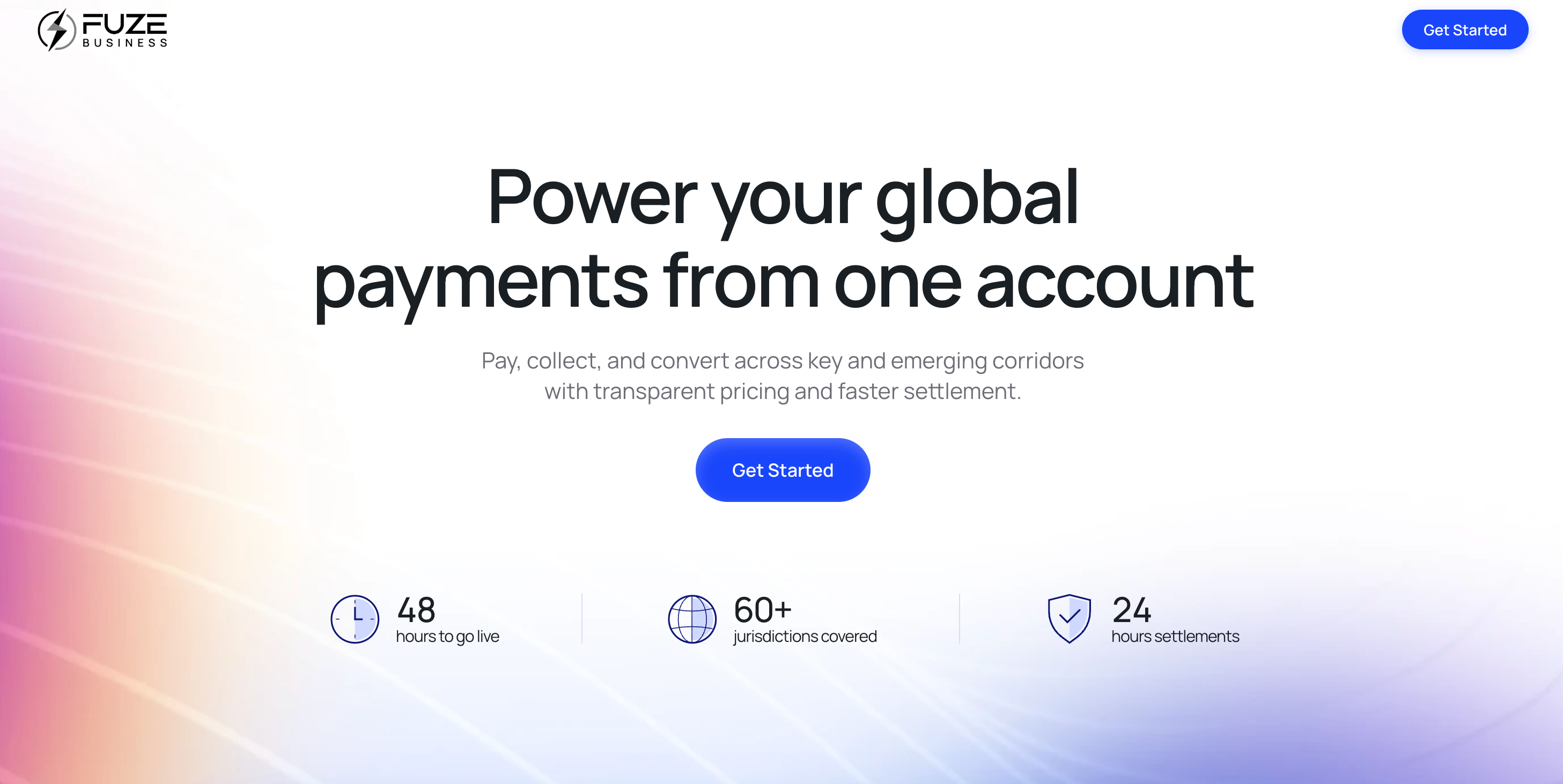
Fuze Business is the strongest fit for finance managers, global trade companies, and supply-chain teams seeking one cross-border payment and conversion platform.
Features: The platform supports sending, receiving, and converting funds across global payment flows. Listed capabilities include access to difficult trade corridors, AED, USD, EUR, GBP & more banking network access, cross-border payments, and transactions. It also includes instant currency and stablecoin conversion, enterprise-grade compliance, and faster settlement.
Limitation: Public materials do not document corridor-level settlement times, pricing, onboarding timelines, API details, or eligibility rules. Verify those details before committing to a workflow.
Best for: Finance teams managing cross-border payments, global trade flows, supply-chain obligations, and currency or stablecoin conversion from one platform.
2. Wise Business
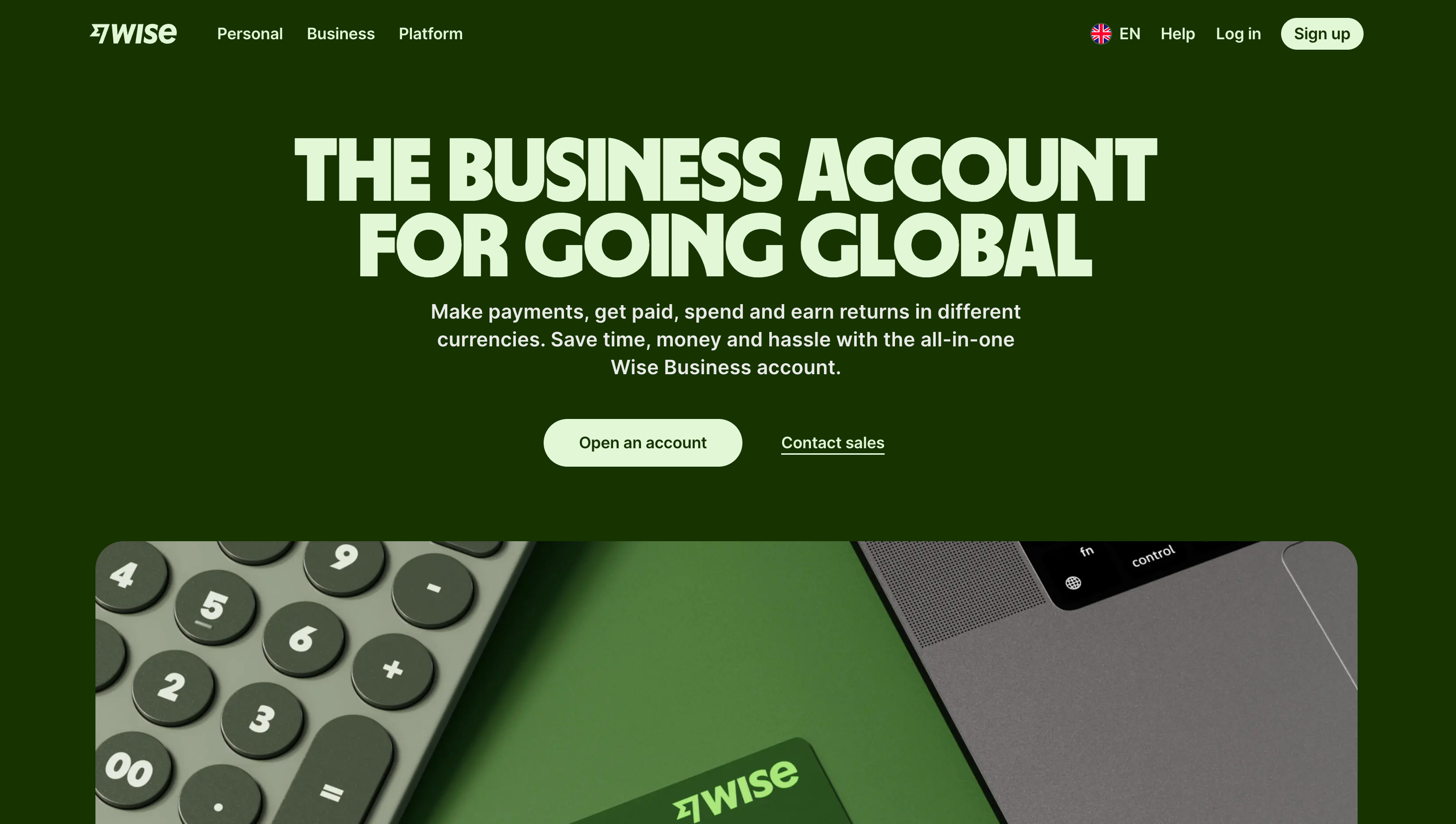
Wise Business is a strong option for transparent international transfers and route-level delivery estimates.
Features: Wise Business supports payments to 70+ countries and conversion to 40+ currencies. Its business page also describes upfront fees, mid-market exchange rates, payment tracking, and local delivery to recipients. The page states that international payments typically arrive in seconds on supported routes.
Limitation: “Typically arrives in seconds” is an average based on past transfer speeds. Wise advises users to check the personalized estimate because timing varies by route.
Best for: Businesses making recurring supplier, contractor, or operating-expense payments where upfront pricing and route estimates matter.
For a USD-to-EUR payment, use the calculator to confirm the expected arrival date and total fee before sending.
3. Airwallex
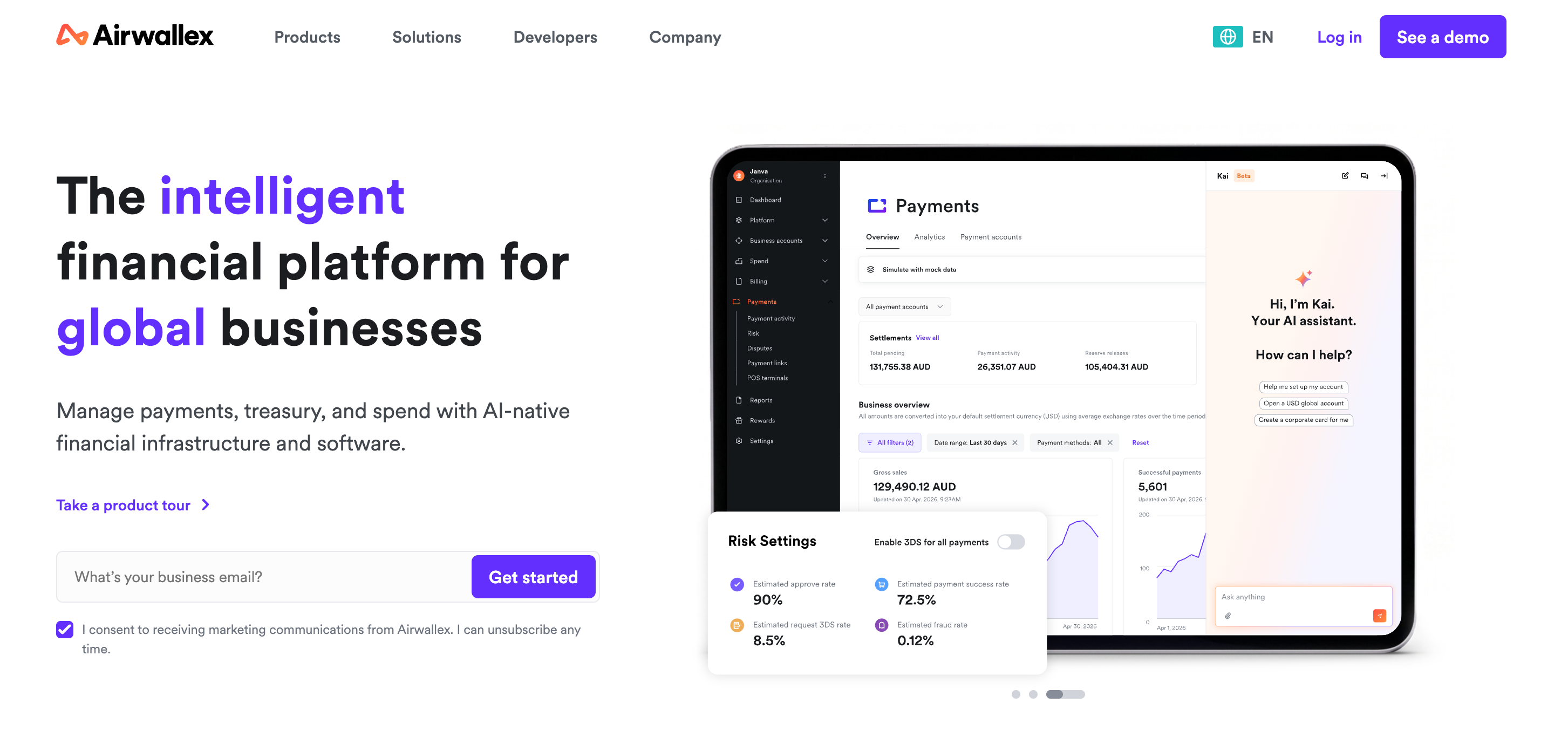
Airwallex fits globally expanding businesses that want accounts, payments, foreign exchange, and payouts in one platform.
Features: Airwallex supports transfers to 200+ countries and offers 20+ currencies for sending and receiving. Its materials also describe payment acceptance through 160+ local payment methods and programmatic payout capabilities.
Limitation: Airwallex presents a 93% same-day payout rate on its US page. That figure should not be generalized to every product, corridor, currency, or customer profile.
Best for: Finance and operations teams scaling multi-market collections, transfers, FX, and payouts with API or platform requirements.
A US business expanding internationally should compare local account availability, receiving currencies, payout routes, FX treatment, and same-day eligibility.
4. Nium
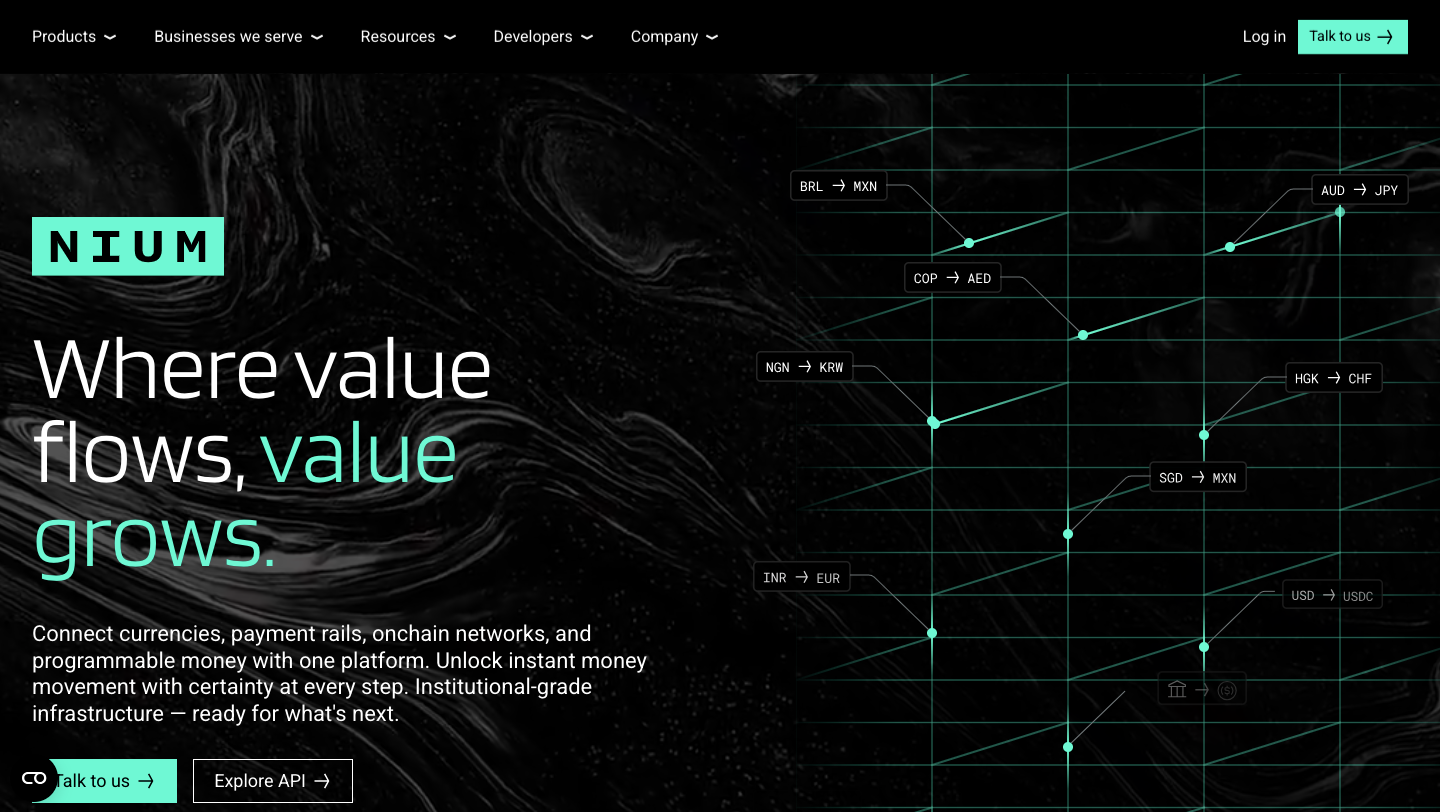
Nium is a strong fit for enterprises and platforms that need programmable global payouts with documented real-time-market coverage.
Features: Nium supports payouts to 190+ countries in 100 currencies. Its product material states that more than 100 markets support real-time settlement. Delivery can use bank accounts, cards, or wallets, subject to local availability.
Limitation: The same-day claim applies to Nium’s real-time markets. It does not necessarily apply to every country, currency, or payout method.
Best for: Marketplaces, payroll providers, fintechs, and enterprises distributing funds across many recipients and countries.
Before selecting Nium for a 20-country program, map each destination to its fastest supported method. Confirm whether each route is real-time, same-day, or standard.
5. Rapyd

Rapyd fits businesses needing global disbursements, local real-time rails, and stablecoin settlement options.
Features: Rapyd describes access to RTP networks including Pix, Faster Payments, PayNow, and SEPA Instant. Its materials also describe stablecoin-powered payouts, a native FX engine, and support for 120+ payout currencies and stablecoins.
Limitation: Real-time or 24/7 settlement depends on the rail, country, currency, recipient method, compliance status, and stablecoin availability.
Best for: Platforms and enterprises that need local payout methods or want to combine fiat and stablecoin settlement models.
Compare a SEPA Instant or Pix payout with a standard bank transfer. This shows whether the faster rail materially improves the recipient experience.
6. Stripe Connect
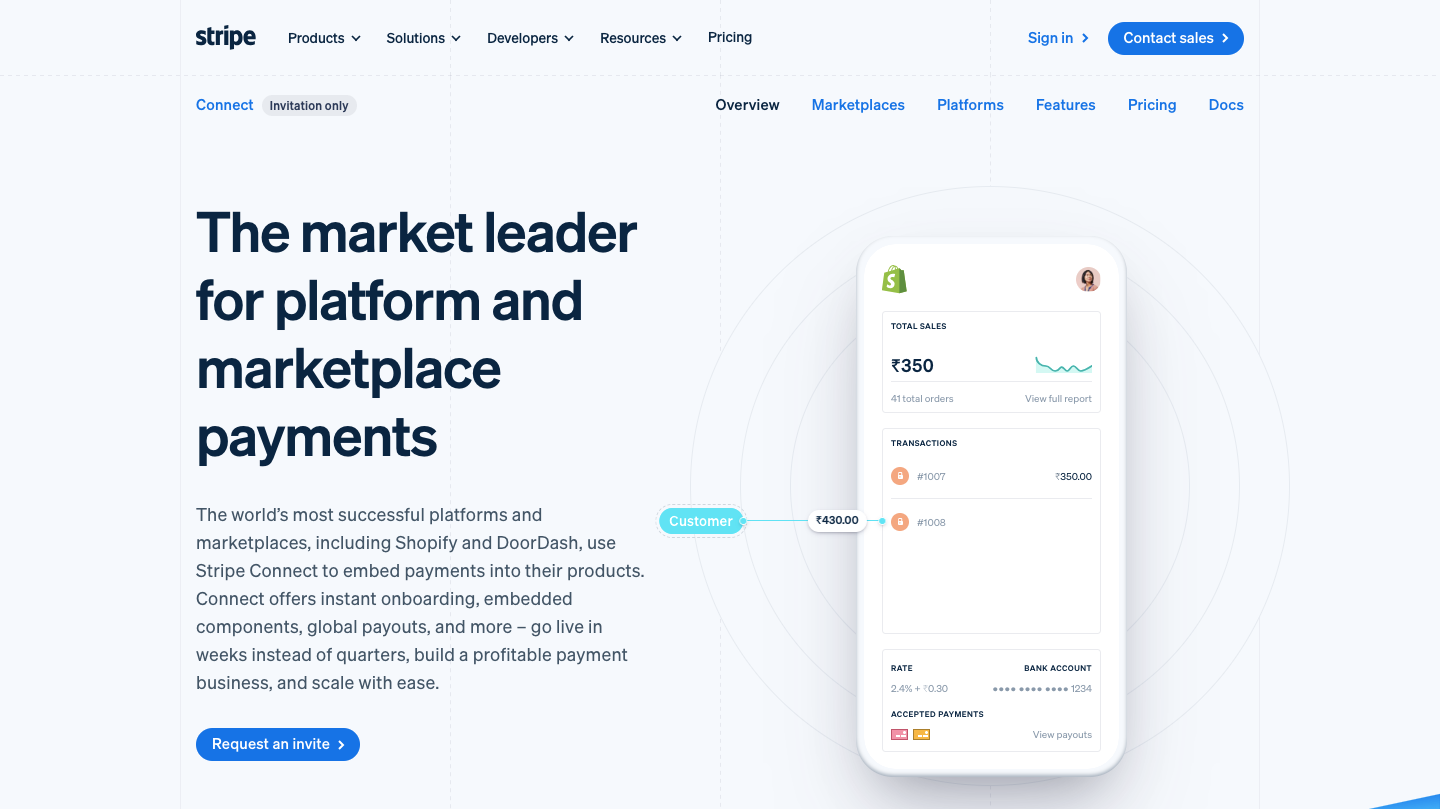
Stripe Connect suits platforms and marketplaces that need programmable routing, scheduled payouts, and instant payout options for eligible users.
Features: Stripe Connect supports payout timing controls, including daily, weekly, monthly, and manual schedules. Its materials also describe global payouts, instant payouts, payout dashboards, compliance tooling, and payouts to bank accounts or debit cards.
Limitation: Instant Payouts require eligibility and supported countries, currencies, and destination accounts. Standard settlement schedules apply when instant access is unavailable.
Best for: Marketplaces, SaaS platforms, and embedded-finance products paying sellers, creators, contractors, or service providers.
A marketplace can compare daily standard payouts with eligible instant payouts. It can then model the fee against seller demand for faster access to funds.
7. Payoneer
Payoneer fits businesses receiving marketplace revenue, paying suppliers or contractors, and managing multiple currencies across broad geographic coverage.
Features: Payoneer supports business payments across 190+ countries and territories. Its business materials describe international payments, global supplier and contractor payments, currency management, local receiving accounts, and payments in local currencies.
Limitation: The cited business material does not establish one universal settlement time. Delivery depends on the payment method, corridor, account status, and withdrawal route.
Best for: E-commerce sellers, marketplaces, agencies, and small or medium-sized businesses needing receiving accounts and outbound global payments.
An e-commerce seller can consolidate marketplace payouts, hold supported currencies, and compare the timing and cost of withdrawing to a local bank account.
What to verify before switching to a faster-settlement platform
Use route, rail, cutoff, compliance, fee, status, reconciliation, and fallback requirements to test each provider. Businesses can also apply a cross-border transaction optimization approach to compare cost, speed, settlement, tracking, and reliability across priority corridors.
•Verify the origin and destination countries, currencies, payment rail, recipient type, and settlement destination.
•Request expected, fastest, and exception-case timelines instead of relying only on “instant” or “same-day” claims.
•Confirm funding cutoffs, weekends, holidays, compliance triggers, transaction limits, beneficiary validation, and return procedures.
•Model the full cost, including transfer fees, FX spreads, payout fees, receiving fees, withdrawal fees, network fees, and instant-settlement surcharges.
•Confirm reconciliation fields, transaction status visibility, reporting exports, support escalation, and accounting or ERP integration.
•Test one low-risk transaction on each priority corridor before migrating recurring or high-value payments.
A supply-chain manager should record initiation time and funds-available time during a pilot. The team should also reconcile the final amount received and document any verification delay.
How Fuze Business helps with faster global payments
Faster settlement can improve working-capital visibility, supplier reliability, and payment planning. Route-level speed matters because rails, currencies, cutoffs, and compliance checks affect actual delivery. Conversion flexibility can also reduce fragmented workflows across global payment flows.
Fuze Business is a unified platform for sending, receiving, and converting funds. It provides access to difficult trade corridors, AED, USD, GBP, EUR & more banking network access, instant currency and stablecoin conversion, cross-border transactions, enterprise-grade compliance, and faster settlement.
These capabilities may suit finance and trade teams that need to validate difficult corridors or combine fiat and stablecoin conversion. Exact settlement timelines, pricing, eligibility, and compliance requirements should be confirmed for each route.
Explore Fuze Business for faster global payments and validate whether it fits your corridors and settlement requirements.